
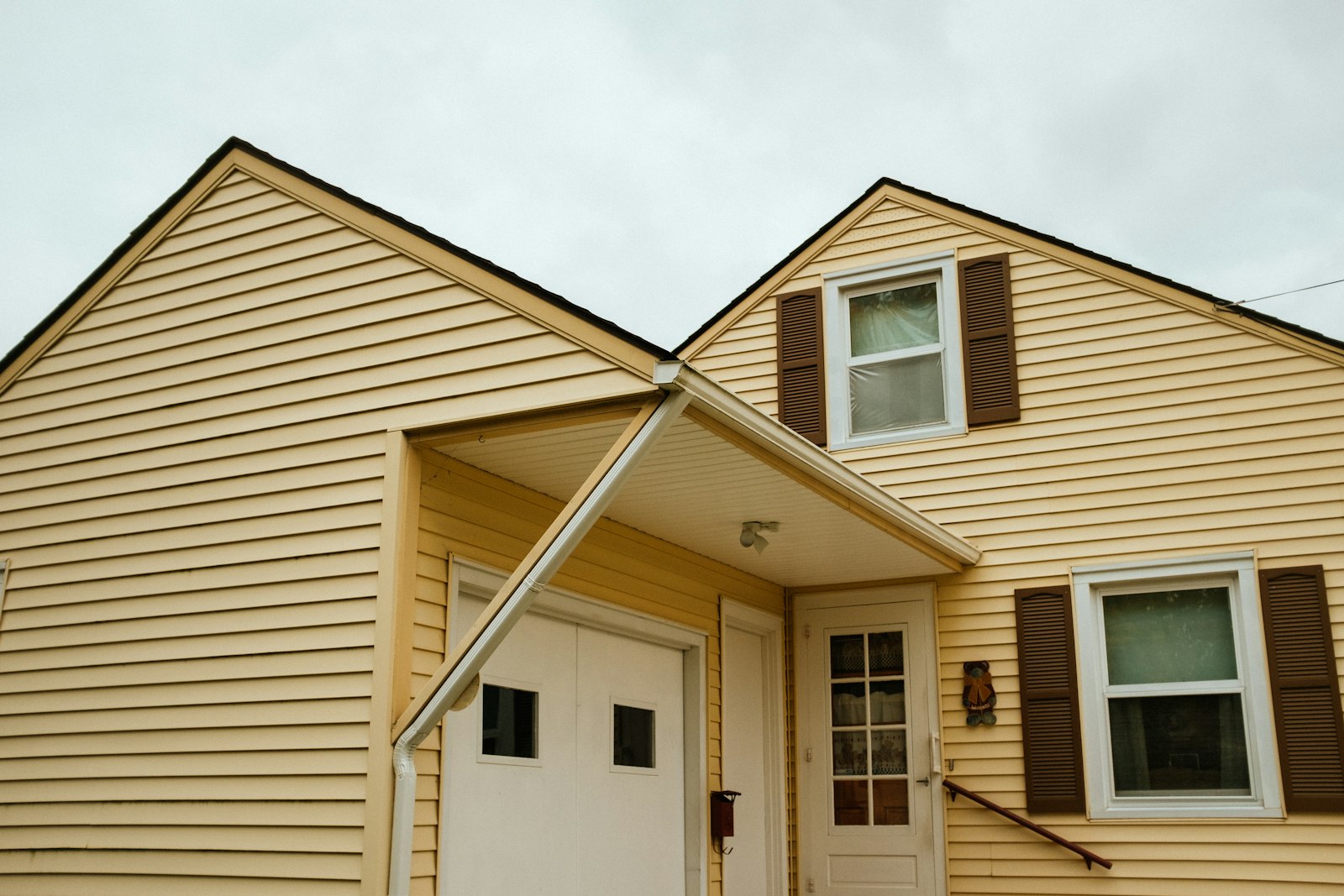
Vinyl siding has a strange reputation. Half the houses in Greater Cincinnati wear it, and yet everybody knows a story about siding that buckled, cracked, or peeled off in a windstorm a few years after it went up. Here is the truth behind those stories: it is almost never the vinyl. It is the install, and our climate is the harshest judge of a rushed install in the whole Midwest.
What our climate does to a wall
Between a winter low and a summer wall baking in afternoon sun, vinyl siding here can see a temperature swing of well over 120 degrees across the year. Vinyl moves with every degree. The material is engineered for this, with slotted nail hems and interlocking edges designed to let each panel float.
Floating is the key word. A vinyl wall is not fastened rigid like wood. It hangs, loose on purpose, from nails that are supposed to be centered in the slots and left about the thickness of a dime shy of tight. Panels lock into each other at the bottom edge and slide sideways as temperatures change.
Every classic vinyl failure is that freedom taken away. Nail driven flush, panel cannot slide, summer heat has to go somewhere, so the wall ripples. Panel cut to fit exactly against the J channel with no gap, January contraction pulls it out of the channel or cracks it. It is physics, and physics does not care that the crew was fast.
Where to see quality before it fails
You can read an install years before the wall tells on it. Look at four places.
The nail set. Pull gently outward on a course of siding. It should give slightly and slide a little side to side. A wall that feels welded on is a wall on a timer.
The corners. Corner posts should be straight, plumb, and the panel ends should sit in them with a consistent gap, not jammed to the bottom of the channel.
The J channel around windows and doors. This is where rushed crews save their time. Sloppy, wavy, or pieced-together channel means the parts you cannot see got the same care.
The overlaps. Panel laps should face away from the busiest sight lines and overlap the correct direction so wind-driven rain sheds over, not into, the seam.
We walk homeowners through this on our siding page, because an informed customer is the cheapest quality control there is, whoever they hire.
The moisture part nobody mentions
Siding is a rain screen, not a submarine hull. Water will occasionally get behind it, and the system is designed for that, provided the wall behind it is wrapped and flashed so water drains down and out. This matters double on a house with soffit and fascia issues or overflowing gutters above, because a roofline that dumps water behind the siding will beat any install eventually. The exterior is one system. It is why we look at the whole elevation and not just the wall we were called about.
Repair, reside, or leave it alone
Not every wavy panel is a crisis, so here is how we sort it. Isolated damage, a cracked panel from a mower stone or one corner lifted by wind, is a repair, provided matching panels still exist. Vinyl colors fade slowly in the sun, and a ten year old wall will not match a brand new panel, so on older homes we sometimes pull a matching panel from an inconspicuous wall and put the new one where nobody looks. That is a trick a crew only learns by caring how the finished house reads from the street.
Spreading failures are a different conversation. When panels are loosening on multiple elevations, or summer buckling returns every July, the install itself is the problem, and repairing it panel by panel is paying retail for someone else’s shortcut. At that point a reside is the honest recommendation, not because it is the bigger ticket, but because it is the last ticket.
The honest case for vinyl
We install a lot of vinyl siding, and the reason is simple math. Done right, with quality panels, correct gapping, and a properly prepped wall, vinyl in this climate runs 30 to 40 years with no painting, no staining, no caulking schedule. Wash it once in a while and live your life. Very little on a house offers that ratio of cost to lifespan, which is exactly why bad installs are such a shame. The product holds up its end. The install has to hold up the other.
If your siding is rippling on hot afternoons, cracking at the corners, or you are just weighing a reside on a house you plan to keep, talk to us. We will tell you whether what you have is a repair, a reside, or a wall that just needs its gutters fixed before it gets blamed for someone else’s problem.